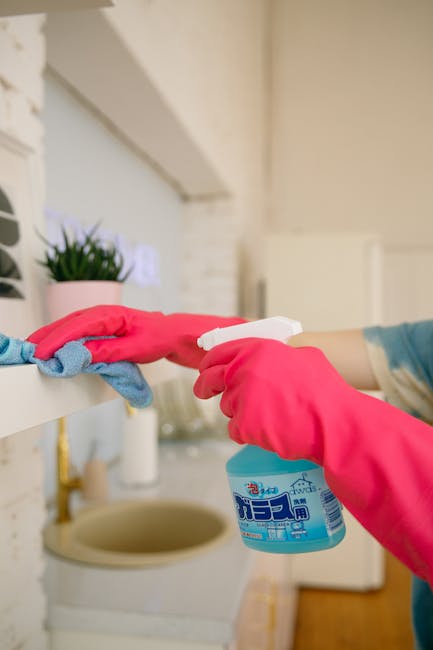
End of tenancy cleaning Clapham Common SW4
Posted on 20/06/2026
Moving out is rarely just a matter of packing boxes and handing back keys. There's the dust behind the radiators, the greasy patch by the hob, the bathroom that somehow looked fine last week and now feels like a project. If you're searching for end of tenancy cleaning Clapham Common SW4, you probably want one thing above all: a proper, inspection-ready clean that helps you leave on good terms and avoid avoidable disputes.
This guide explains what end of tenancy cleaning actually involves, why it matters in Clapham Common, how the process works, and what to check before you book. You'll also find practical tips, a comparison table, a checklist, and a realistic example from the kind of move-out situation many London renters know too well. Let's make the whole thing a bit less stressful, shall we?
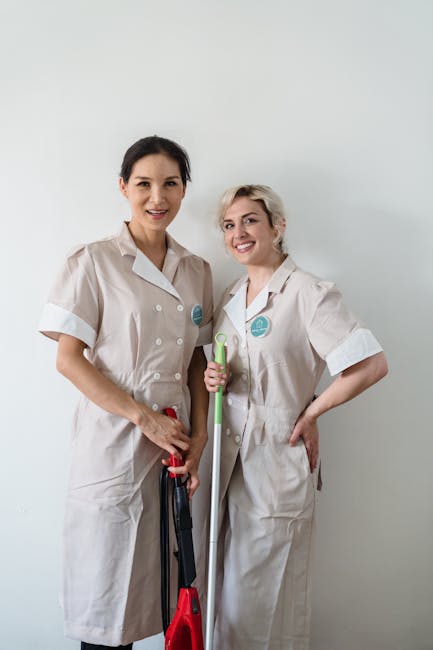
Why End of tenancy cleaning Clapham Common SW4 Matters
End of tenancy cleaning is the deep, detailed clean carried out when a tenant moves out of a rented property. It goes beyond a normal tidy-up. The goal is to return the home in a condition that matches the tenancy agreement, allowing for fair wear and tear. In a busy rental area like Clapham Common, where flats turn over often and landlords or letting agents usually expect a neat standard, this can make a real difference.
Why does it matter so much? Because move-out day is already packed with decisions, phone calls, and probably one last run to buy tape because the roll vanished. A thorough clean removes one major source of friction. It reduces the chance of a complaint, helps the next inspection go more smoothly, and gives you a clearer end point. No lingering "we still need to sort the oven" feeling.
It also matters because a proper end of tenancy clean is not the same as a quick domestic tidy. Skirting boards, inside cupboards, shower screens, extractor fans, limescale, grease, sockets, light switches, and floors all need attention. If one area is missed, it can stand out surprisingly quickly in daylight, especially in smaller SW4 flats with lots of natural light. That morning light is unforgiving, to be fair.
For tenants, the biggest concern is often deposit protection. For landlords and agents, it's handover quality and speed between occupants. For both sides, the clean is part of the property reset. Done well, it feels simple. Done badly, it turns into emails, photos, and tedious back-and-forth. Nobody enjoys that.
How End of tenancy cleaning Clapham Common SW4 Works
A professional end of tenancy clean usually follows a systematic room-by-room and surface-by-surface method. The cleaner starts at the top of the room and works down, which is the sensible way to avoid dust landing on areas that were already cleaned. It's one of those small details that sounds obvious until you've tried to clean a shelf after doing the floor.
The exact scope depends on the property and the agreement, but a strong service usually covers kitchens, bathrooms, living spaces, bedrooms, hallways, and entry points. If you have carpets, upholstery, or fragile items, those may need a specialist approach. You can also look at related support such as carpet cleaning in Clapham or upholstery cleaning in Clapham if the property needs extra attention beyond the basic handover clean.
A typical process might include:
- initial assessment of the rooms and condition
- dusting high and low surfaces
- degreasing kitchen fittings and appliances
- scrubbing bathroom fixtures and sanitising touchpoints
- vacuuming, mopping, and treating floor edges
- final detail pass for obvious marks, smears, and missed spots
In practice, the cleaner is looking for the kind of details that show a home has been properly reset rather than just superficially tidied. Marks around handles, grime under taps, and crumbs in drawers are all the sort of thing that tend to get noticed.
If you want a broader look at available household support, the services overview is a useful place to understand how different cleaning services fit together. That can help if you need more than one job handled before you move.
Key Benefits and Practical Advantages
The obvious benefit is a cleaner property. But the real value goes a bit deeper than that. A good end of tenancy clean creates certainty at a time when certainty is in short supply. You know what has been covered, what still needs attention, and what condition the home should be in when you leave.
Here are the main advantages people usually care about:
- Better handover readiness: the property is ready for inspection, keys, and final walkthroughs.
- Less stress: you are not trying to clean after a long day of moving furniture and loading vans.
- More consistent results: trained cleaners tend to work methodically, so forgotten corners are less likely.
- Improved first impressions: even if the property has normal wear, a clean finish makes it look cared for.
- Time saved: moving is exhausting enough. Outsourcing the heavy clean can be a relief, honestly.
There is also a practical emotional benefit. You get to leave the place properly. That sounds sentimental, maybe, but it matters. A flat you lived in for a year or three can collect a lot of tiny marks and memories. A final clean helps close the chapter neatly.
For landlords and managing agents, a solid clean can reduce turnaround time before re-listing. In a competitive rental market, even a day or two matters. A property that smells fresh, looks cared for, and feels move-in ready is far easier to market. That is just common sense.
Who This Is For and When It Makes Sense
This service is for anyone leaving a rented property and wanting it to pass inspection with minimal fuss. That includes students moving out of shared accommodation, professionals leaving a one-bedroom flat near Clapham Common, families relocating to a larger place, and landlords preparing a property for new tenants.
It makes the most sense when:
- you have a strict tenancy agreement with cleaning expectations
- the home has built-up grime in kitchens or bathrooms
- you do not have the time, energy, or equipment to deep clean properly
- you want a cleaner to handle the awkward jobs like limescale, grease, and built-in appliances
- you are leaving a furnished property and need extra care on soft furnishings
It may also be a smart move if you have already moved your belongings out. Empty rooms reveal dust and stains you barely noticed before. The skirting board suddenly seems very visible. The oven definitely seems more dramatic. Empty properties are honest like that.
If you are a tenant, it is worth checking your agreement and any move-out instructions early. If you are a landlord or agent, a professional clean can help standardise the turnover process. Either way, the earlier you plan it, the easier the final day becomes.
For some households, a broader clean before or after moving is more suitable. In that case, domestic cleaning in Clapham or house cleaning may be better matched to ongoing upkeep rather than final handover work.
Step-by-Step Guidance
If you want the clean to go smoothly, break it into sensible stages. Rushing at the last minute usually creates extra stress and, more importantly, missed details. A clear sequence helps.
- Read the tenancy requirements. Check the clause about cleaning, inventory condition, and any specific expectations for carpets or appliances.
- Remove personal items first. The cleaner can work better in a clear space. It also prevents the classic "where did this cable go?" panic.
- Flag problem areas. Stains, marks, chips, heavy limescale, greasy extractor fans, or pet hair should be identified early.
- Book the service at the right time. Ideally, do this after most packing is done but before final key handover.
- Share practical access details. Parking, entry codes, lift access, and building rules all matter. In SW4, small access issues can eat time fast.
- Ask what is included. Make sure the cleaner knows whether you need ovens, fridges, carpets, or upholstery covered.
- Do a final walkthrough. Check the bathroom seal lines, cupboards, taps, window ledges, and light switches before leaving.
There is a useful habit here: work from the contract, not from guesswork. A landlord may care about one thing more than another, and it is better to know that before the clean than after the inspection. That small bit of planning saves a lot of headache.
One very practical tip: take photos after the clean. Not because you expect trouble, but because a simple visual record can settle questions quickly if anything is queried later. Quick, clear, done.
Expert Tips for Better Results
From a cleaning perspective, the little things make the biggest difference. The broad surfaces are easy. It is the edges, corners, and hidden areas that create the impression of quality.
- Start with dry dust before wet cleaning. If you wipe too early, you can create a muddy film on surfaces.
- Check light switches, handles, and skirting. These are touched constantly and often carry faint marks.
- Don't ignore extractor fans and vents. They collect more dust and grease than people expect.
- Use the right product on the right surface. A shiny finish is not worth a damaged one.
- Leave enough drying time. Damp carpets or bathrooms can look unfinished even when they are technically clean.
- Tackle appliances properly. A "clean kitchen" usually still needs oven racks, seals, and trays checked.
If you have delicate fabrics, it is worth being careful around them. Curtains, for example, can trap dust and odour. In some homes, soft furnishings need a tailored approach rather than a blanket clean. For a useful related read, see how to wash velvet curtains while keeping them soft and vibrant. It is a nice reminder that not every fabric likes the same treatment. Bit fussy, really, but that is the truth.
Also, do not underestimate the effect of fresh air. Opening windows while cleaning, when weather allows, helps with odours and makes the place feel lighter. On a grey London afternoon, even that small bit of circulation can make a room feel less stale.
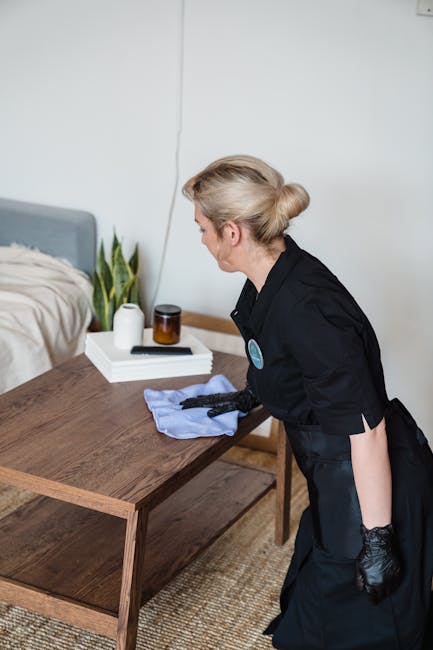
Common Mistakes to Avoid
People often think end of tenancy cleaning is just a matter of cleaning harder. Usually it is more about cleaning smarter. Here are the mistakes that cause trouble most often.
- Leaving it until moving day: by then, you are tired and the place is full of boxes.
- Only cleaning visible areas: cupboards, behind appliances, and under furniture get noticed.
- Forgetting limescale and grease: these are common in kitchens and bathrooms and are hard to ignore.
- Using the wrong chemicals: some products can haze surfaces or damage seals.
- Ignoring carpets and upholstery: even if they look acceptable, trapped dirt can still stand out.
- Not checking the inventory report: if the report mentioned a mark before, you should know about it.
Another common error is assuming "clean enough for me" equals "clean enough for inspection." Not always. A home you have lived in for years can feel clean because you are used to it. A fresh pair of eyes sees things differently. Harsh, but useful.
And one more, slightly annoying but real: people often forget the final tidy of utility areas, bins, and entrance mats. Those small spots can shape the overall impression far more than expected. Funny how that works.
Tools, Resources and Recommendations
If you are preparing the property yourself before or alongside a professional clean, a few simple tools go a long way. You do not need an industrial setup. Just the right basics and a bit of patience.
| Item | Best use | Why it helps |
|---|---|---|
| Microfibre cloths | Dusting and polishing | Good for trapping fine dust without leaving lint |
| Degreasing cleaner | Kitchen surfaces and cooker areas | Helps break down stubborn cooking residue |
| Limescale remover | Taps, shower screens, sinks | Useful in hard-water areas and busy bathrooms |
| Vacuum with attachments | Floors, corners, edges, upholstery | Reach matters more than power alone |
| Non-scratch pads | Hobs, sinks, and delicate finishes | Helps avoid damage while removing residue |
As a recommendation, focus on tools that solve the biggest pain points: grease, dust, limescale, and floor edges. Those are the recurring culprits in almost every move-out clean. You may also want to review the company's pricing and quotes information early, especially if you need add-ons such as carpet or upholstery work.
If safety is on your mind, which it should be, the site's insurance and safety information is a sensible place to look before booking. It gives peace of mind, and frankly it is the kind of thing you want to know before anyone starts moving around your property with equipment and chemicals.
Law, Compliance, Standards and Best Practice
End of tenancy cleaning sits in a practical space rather than a heavily regulated one, but there are still important standards and expectations to keep in mind. Tenancy agreements, inventories, and handover conditions matter. If something was agreed in writing, that agreement counts. If a property is returned in a condition that is clearly below what the agreement expects, disputes can follow.
In the UK, it is also normal for rented properties to be assessed against fair wear and tear rather than perfection. That means a tenant is generally not expected to replace age-related marks or natural changes from normal living. But cleaning is different. A clean, hygienic, and reasonably well-presented property is usually the expectation when moving out.
Best practice usually includes:
- working from the inventory and check-in report
- documenting any pre-existing marks or issues
- using suitable products on each material
- taking care around electrics, seals, and delicate finishes
- keeping cleaning records or photos where helpful
It is also sensible to check the provider's terms and conditions and health and safety policy before booking. Those pages help set expectations about access, service scope, and responsibility. Not glamorous reading, granted, but useful reading.
For businesses or landlords managing multiple units, it can help to compare move-out cleaning with other services such as office cleaning in Clapham or recurring support through domestic cleaning. Different jobs, different rhythms, different standards.
Options, Methods, or Comparison Table
Not every moving-out situation needs the same approach. Some people want a full professional clean, others want a lighter tidy-up plus targeted help, and a few prefer to do it themselves. The best choice depends on budget, time, and the condition of the property.
| Option | Best for | Pros | Trade-offs |
|---|---|---|---|
| DIY end of tenancy clean | Small, well-kept properties and lower-risk handovers | Cheapest option, full control | Time-consuming, easy to miss details |
| Professional full-service clean | Busy movers, larger homes, strict inspections | Thorough, efficient, less stress | Higher cost than doing it yourself |
| Targeted deep clean | Properties with a few problem zones only | Flexible, can focus on trouble spots | May not be enough for a full handover standard |
| Combined cleaning and extras | Homes needing carpets, upholstery, or special attention | More complete finish | Planning is more important |
In many Clapham Common move-outs, the professional full-service option is the least stressful path. But if your property is small, already well maintained, and you have time on your side, a focused DIY approach can work too. The right answer depends on the real condition of the flat, not the dream version of it.
Case Study or Real-World Example
A typical example: a tenant in a SW4 one-bedroom flat near Clapham Common had already moved most belongings out over a weekend. What was left behind looked manageable at first glance. Then the place emptied out, and the truth emerged. Grease on the extractor hood. Dust on the wardrobe tops. Fine debris along the living room edge. A few dull marks in the bathroom that had been easy to ignore for months.
Instead of trying to tackle everything in a few frantic hours, they booked a professional end of tenancy clean and added a carpet treatment because the hallway had taken a fair bit of foot traffic. The cleaner worked room by room, with extra focus on kitchen fittings, bathroom limescale, and skirting boards. By the end, the flat looked brighter, aired out, and properly reset. Nothing magical. Just method, attention, and a bit of experience.
The important part was not that the property looked brand new. It looked cared for and complete. That is usually what people want, even if they do not say it out loud. And yes, the tenant left with less stress and fewer what-if thoughts rattling around during the final key handover.
If you want to understand the team behind this kind of work, the about us page gives a useful sense of the company's approach and values. Sometimes that reassurance matters as much as the service list itself.
Practical Checklist
Use this checklist before your final inspection or cleaner visit. It keeps things simple. No drama, no guesswork.
- remove all personal belongings
- clear cupboards, drawers, fridge, freezer, and storage spaces
- check the oven, hob, extractor, and splashback
- clean taps, sinks, shower screens, toilets, and grout lines
- dust shelves, skirting boards, radiators, and ledges
- vacuum and mop floors, including edges and corners
- wipe light switches, sockets, and door handles
- remove marks from visible walls where appropriate and safe
- deal with bins, mats, and entrance areas
- confirm access, parking, and key handover details
- take final photos for your own record
Expert summary: A strong end of tenancy clean is not about making the flat look perfect. It is about making it feel properly finished, with no obvious residue from everyday living. That distinction matters more than people expect.
Get a free quote today and see how much you can save.
Conclusion
End of tenancy cleaning in Clapham Common SW4 is about more than dust removal. It is about handing back a property with confidence, avoiding last-minute panic, and making the move-out process feel orderly instead of chaotic. If you prepare properly and choose the right level of support, the whole experience becomes a lot more manageable.
The best results usually come from clear expectations, a methodical approach, and a clean that pays attention to the details people actually notice: kitchens, bathrooms, floors, edges, and touchpoints. That is the real difference between a rushed tidy and a proper handover clean.
And honestly, when the last box is gone and the flat is quiet again, there is something genuinely relieving about seeing it all freshly cleaned. A proper ending, nothing more complicated than that.