Communal Area Cleaning in Clapham
If you manage, own, or live in a shared building, communal area cleaning in Clapham is one of those services that quickly makes a noticeable difference to daily life. Clean hallways, polished stairwells, tidy landings, and fresh entry points help a property feel cared for, welcoming, and easier to maintain. In a busy area like Clapham, where residential flats, converted houses, mansion blocks, modern apartment buildings, mixed-use premises, and small commercial properties all sit side by side, shared spaces can pick up dirt fast. Foot traffic, weather, deliveries, bikes, pets, and general day-to-day use all contribute to mess that is difficult to stay on top of without a reliable routine.
A well-organised cleaning service for communal spaces is about more than appearance. It supports hygiene, reduces odours, helps prevent slips, and gives residents and visitors a better experience from the moment they walk through the door. For landlords, letting agents, freeholders, block managers, and resident associations, it also helps protect the reputation and practical condition of the building. When people search for communal area cleaning Clapham, they are often looking for a local team that understands shared living, access arrangements, and the standards expected in busy South West London properties.
Whether your building needs a regular cleaning schedule, a one-off deep clean, or extra attention after refurbishment, having a local service makes the process much simpler. It means quicker response times, a better understanding of parking and access challenges, and a team that is used to working around residents, offices, and businesses without causing unnecessary disruption. Contact us today to discuss your building’s needs and request a free quote.
Why communal cleaning matters in Clapham
Clapham is a lively part of London with a wide mix of homes and businesses, and that variety creates unique cleaning needs. Many properties have shared entrances, internal stairs, communal corridors, lift areas, bin stores, external pathways, and bike storage spaces. These are high-use zones, and because they are shared by multiple households or tenants, they need a cleaning approach that is consistent and practical. If one resident wipes a step or sweeps the entrance occasionally, that helps, but it is rarely enough on its own.
In a busy urban neighbourhood, shared spaces collect mud in wet weather, dust from traffic, litter brought in from the street, and marks left by heavy daily use. In flats above shops, communal hallways often need attention to keep pace with customer traffic and deliveries. In converted Victorian and Edwardian houses, staircases and hallways can show dirt quickly, especially where original features or older finishes require careful treatment. A reliable communal area cleaning service in Clapham helps keep those spaces presentable and reduces the burden on residents.
There is also a very practical benefit: clean communal areas can make building management smoother. When shared areas are looked after regularly, it is easier to spot maintenance issues such as leaks, broken lights, damaged flooring, blocked vents, or overflowing bins. In this way, cleaning supports not only presentation but also building care. For many local clients, that extra level of visibility is just as valuable as the cleaning itself.
Who our service is designed for
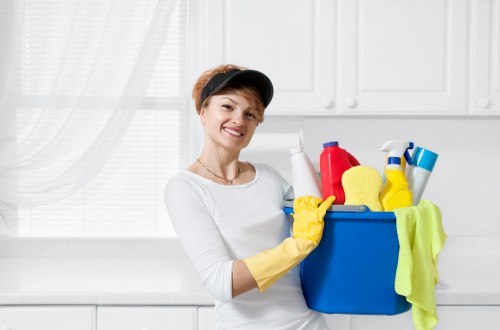
Communal cleaning services are suitable for a broad range of properties in and around Clapham. Each site is different, but the aim is the same: create and maintain a clean, safe, and welcoming shared environment. We work with people who need dependable building maintenance without the hassle of coordinating multiple cleaners or relying on ad hoc arrangements.
Typical customers include:
- Block managers and property management companies
- Freeholders and leaseholders responsible for shared upkeep
- Resident associations and housing co-ops
- Landlords with multiple flats in one building
- Commercial landlords managing office or retail buildings with shared areas
- Mixed-use properties with residential entrances and business access points
Clapham includes a mix of period conversions, purpose-built apartment blocks, mansion-style properties, and newer developments. Each has its own cleaning demands. Some buildings require careful attention to decorative bannisters, tiled floors, or glass panels. Others need regular treatment of high-traffic corridors, bin areas, and lift interiors. A local team understands how to adapt the cleaning plan to the property rather than using a one-size-fits-all approach.
What is included in communal area cleaning?
Every building is different, so the service should be tailored to the layout, the number of residents, and how often the space is used. The aim is to cover the areas that matter most to daily comfort and cleanliness while working efficiently and respectfully around occupants.
Common tasks may include:
- Sweeping and mopping shared floors
- Vacuuming carpets on stairs, landings, and corridors
- Wiping handrails, banisters, door handles, and push plates
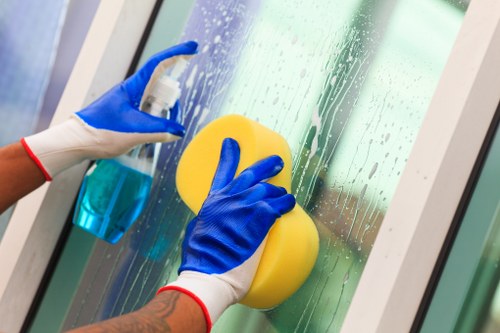
- Cleaning entrance doors, glass panels, and internal lobby features
- Dusting skirting boards, ledges, and reachable surfaces
- Removing cobwebs from corners, ceilings, and light fittings where accessible
- Cleaning communal bins and bin store surroundings where agreed
- Refreshing lift interiors and controls
- Spot-cleaning marks on walls, switches, and doors
- Keeping shared mats and entrance areas tidy
Some properties also need extra services such as periodic deep cleaning, post-build cleaning, or seasonal attention to entrances and exterior paths. If your building has a concierge desk, a mail area, or shared storage zones, these can often be added into the cleaning plan. The best approach is one that reflects how residents actually use the building and what needs to stay presentable every week.
Areas commonly covered
In Clapham, shared spaces can include more than just hallways. Many buildings have a mix of internal and external areas that benefit from routine care. These may include entrances, vestibules, stairwells, lift lobbies, corridors, bicycle stores, laundry spaces, refuse rooms, and access routes to gardens or rear courtyards. In some developments, communal windows or glazed internal partitions may also need regular cleaning to keep the entire property looking bright and well maintained.

Why local knowledge matters in Clapham
Choosing a local company for communal area cleaning Clapham offers practical advantages that are easy to appreciate once the service is in place. Clapham includes busy roads, quieter residential streets, controlled parking zones, limited waiting spaces, and properties with awkward access. A team that works locally is more likely to understand these everyday realities and plan around them sensibly.
For example, some buildings are set back from the road, behind secure gates, or along narrow side access routes. Others may sit near main routes where parking is difficult at peak times. A local team knows that punctuality, efficient access, and respectful working are important. They are also better placed to build a regular schedule that suits residents and building managers, especially where cleaners need to work around office hours, school runs, or bin collection days.
Clapham also has a strong mix of property ages and styles. Older buildings may have more delicate finishes, while newer blocks may have shared entrances that need regular attention to glass, stainless steel, lifts, and hard flooring. A local cleaner who understands this variety can adjust methods and products accordingly, helping preserve the building as well as keep it clean.
Useful for shared buildings with regular footfall
Where people come and go all day, dirt builds up quickly. Local cleaning support helps keep things under control before small mess becomes a larger problem. This is especially important in buildings with children, pets, delivery traffic, or multiple tenants coming and going at different times.
How the service works
A good communal cleaning arrangement should be straightforward from the start. Customers usually want a clear plan, reliable attendance, and a cleaning specification that matches the building. The process is often simple, but it should still be handled carefully so that nothing important is overlooked.
A typical service process may look like this:
- Initial discussion about the property, layout, and cleaning priorities
- Review of access arrangements, schedules, and any site-specific requirements
- Agreement on the cleaning specification and visit frequency
- Regular cleaning visits carried out to the agreed routine
- Ongoing review to adjust the service if the building’s needs change
In practice, this means the cleaner can focus on the right tasks at the right frequency. A small block of flats might need a weekly visit, while a larger building with constant foot traffic may require more regular attention. Commercial premises with shared foyers, staff entrances, or customer-facing communal spaces may also need a tailored timetable. The key is consistency. Residents and occupiers notice when a shared space is looked after on a dependable schedule.
Communication that works for busy buildings
In shared properties, people often want the cleaning to happen quietly and without disruption. A local provider can build in practical communication around access codes, notice periods, schedule changes, or special requests for events and refurbishments. That makes the service easier to manage for both residents and property managers.
What makes a strong communal cleaning schedule?
The best cleaning schedule is one that reflects actual use. A schedule that is too light leaves visible dirt and a schedule that is too heavy may not be cost-effective. For Clapham properties, the right balance depends on the number of residents, the type of flooring, whether there is a lift, and how exposed the entrance is to outside dirt and weather.
Factors that can shape the frequency include:
- Number of flats, tenants, or occupiers
- Whether the building has carpet, stone, vinyl, or tile flooring
- Presence of lifts, mail areas, or shared amenities
- Whether the entrance is on a busy street or in a quieter side road
- Use of bin stores, bike stores, and rear access routes
- Seasonal issues such as rain, mud, and leaf fall
- Commercial traffic, deliveries, or public access
Some properties only need a light weekly clean of floors and surfaces, while others require more frequent attention to preserve standards. A practical approach often includes a defined checklist so each visit covers the main shared touchpoints. This helps make sure the same areas are not missed from one visit to the next. For customers, that predictability is valuable because it gives a clear idea of what is being maintained.
Examples of service add-ons
Depending on the building, you may also want extra work such as internal window cleaning, deep cleaning of entrance mats, wash-down of bin areas, removal of marks from painted surfaces, or periodic cleaning after building works. These options are often useful in properties where the routine clean is enough most weeks, but the building still benefits from occasional more intensive care.
Pricing factors to consider
Customers often ask what affects the cost of communal area cleaning. While exact prices depend on the site and the service level required, the main pricing factors are usually clear and easy to understand. A local company should be able to quote based on the details of your property rather than offering a vague one-size-fits-all figure.
Common pricing factors include:
- Size of the building and number of communal areas
- Frequency of visits needed
- Complexity of access and whether keys or codes are required
- Condition of the premises and whether a reset/deep clean is needed first
- Materials and finishes that require special care
- Any additional tasks such as bin area cleaning or window detailing
- Whether the property is residential, commercial, or mixed-use
For many property managers, the most useful quote is one that clearly explains what is included and how often each area will be attended to. That makes budgeting simpler and avoids misunderstandings later. If your building has changed recently, such as after new tenants moved in or a refurbishment was completed, it is worth revisiting the cleaning plan. Request a free quote to discuss the current requirements for your building in Clapham.
Helping you balance cost and presentation
It is often possible to design a cleaning routine that maintains a high standard without unnecessary visits. The goal is to protect the common parts, keep residents satisfied, and support the long-term condition of the property in a practical way.

Preparing your property for the first clean
Preparing for communal area cleaning does not need to be complicated, but a few simple steps can help the first visit run smoothly. If access points are clear and the service provider knows what to expect, the work can begin efficiently and the building can settle into its routine faster.
Helpful preparation checklist:
- Share access details, keys, fobs, or codes in advance where required
- Point out any areas that need special care, such as fragile finishes or heritage features
- Let the cleaner know about resident routines, deliveries, or quiet hours
- Remove personal items from communal walkways if possible
- Flag any known maintenance issues, such as leaks, broken lights, or damaged flooring
- Confirm which spaces are included in the cleaning schedule
For block managers and landlords, it is also useful to keep a simple record of the agreed specification. That way, if the building changes or more residents move in, the service can be updated easily. In busy Clapham properties, especially where multiple people use shared spaces every day, a small amount of planning makes a big difference to how well the cleaning runs.
It is also sensible to think about seasonal needs. Wet weather can bring in mud and leaves, while summer can increase dust and foot traffic. Some buildings need additional focus on entrance mats, bin stores, and external access routes at different times of year. A flexible cleaning plan can take those changes into account without creating unnecessary disruption.
Residential and commercial properties in Clapham
Clapham has a mix of uses that makes shared-area cleaning especially relevant. Many streets feature residential conversions above shops, apartment blocks near transport links, and managed properties with both private and business access. In these settings, communal areas need to stay smart because they form part of the everyday experience for residents, staff, and visitors alike.
Residential properties often need regular care in hallways, stairs, lobbies, and bin areas. In apartment buildings, residents usually expect shared areas to be clean, safe, and free from build-up. In converted houses, a thorough but careful approach is important because staircases and floors may be older or more delicate.
Commercial and mixed-use properties may need a slightly different emphasis. Shared entrances, reception areas, staff corridors, and customer-facing spaces need to look presentable throughout the day. In these buildings, cleanliness supports professionalism and helps create a better first impression for anyone entering the premises. A local team can handle these requirements while working around business hours and other practical restrictions.
Why this matters for day-to-day life
When communal spaces are cared for consistently, residents tend to feel more comfortable in the building. The same is true for staff and visitors in commercial premises. It is a simple improvement, but one that affects how people feel about the property every time they walk through the door.
Why choose a local company for communal area cleaning?
There are practical reasons to choose a local provider for communal area cleaning in Clapham instead of a distant team with less familiarity with the area. Local businesses usually understand the pace of the neighbourhood, the property styles, and the everyday realities of access. That can make a service smoother and more dependable from the very beginning.
Key advantages of a local service include:
- Faster response for regular visits and follow-up requests
- Better understanding of Clapham’s property types and shared layouts
- More practical planning around parking and access
- Experience with residential blocks, conversions, and mixed-use buildings
- Greater flexibility when schedules need to change
- Stronger local accountability and easier site familiarity
Local service is especially useful where properties are tucked away behind gates, near busy roads, or in areas where parking can be challenging. A team that regularly works in the area is often better prepared for these conditions, which helps keep the service reliable and efficient. Book your service now if you are ready to improve the standard of your building’s shared spaces.
Trust built on routine and consistency
For property managers and residents, the most reassuring cleaning arrangement is one that simply works week after week. Cleaners who know the building and the area can maintain that consistency while adapting to any changes in access, occupancy, or usage.
Common customer questions
When people enquire about communal cleaning, they often want straightforward answers before making a decision. Below are some of the most common questions asked by customers in Clapham.
How often should communal areas be cleaned?
The right frequency depends on the size and use of the building. Smaller blocks may need weekly cleaning, while larger or busier properties may need visits more often. A site-specific plan is usually the best option.
Can the service be tailored to our building?
Yes. Shared spaces vary a lot between buildings, so the cleaning tasks and visit schedule should be adapted to the property, its layout, and the way it is used.
Do you clean both residential and commercial shared areas?
Many communal cleaning services cover both. This is especially useful in mixed-use premises where entrances, corridors, and shared access points serve different types of occupants.
What if our building has limited parking or awkward access?
That is common in Clapham and should be planned for at the outset. A local team can usually work around access restrictions, building entry requirements, and on-street parking challenges.
Can we add extra cleaning tasks later?
Yes. As properties change, it is often useful to adjust the service. For example, you may want extra focus on bin stores, entrance glass, or post-refurbishment cleaning at certain times.
What should we do before the first visit?
It helps to confirm access, highlight any special care areas, and let the cleaner know which shared spaces should be included. A quick walk-through or written checklist can make everything easier.
Choosing the right level of service
Not every building needs the same level of attention. Some communal areas need a light regular refresh, while others need more detailed care because of foot traffic, pets, children, or shared amenities. The right service level depends on what residents and occupiers expect and what the property needs to stay in good condition.
A good provider should be able to help you decide whether a weekly, twice-weekly, or more tailored arrangement makes sense. In some cases, the best option is a standard routine with additional ad hoc work when required. This can be useful for developments that are generally well kept but need extra help during winter, after maintenance work, or when occupancy increases.
Some buildings benefit from:
- Routine floor and surface cleaning
- Periodic deep cleaning of high-traffic zones
- Entrance and lobby refreshes
- Seasonal support for leaf, mud, and salt build-up
- Targeted cleaning after building works or decorating
The most important thing is to choose a service that keeps your communal areas tidy, safe, and easy to use without creating unnecessary disruption for residents or visitors. If you are reviewing the current standard in your building, this is a good time to contact us today and ask about a tailored cleaning plan.
A practical solution for busy shared buildings
In a place like Clapham, where many buildings have active daily use and limited space for storage or cleaning equipment, the service should be efficient and well planned. A practical approach helps everyone in the building feel the benefit.
Areas covered around Clapham
Local communal cleaning services in Clapham often support properties across the wider surrounding area as well. This is helpful for landlords, managing agents, and businesses that oversee multiple buildings in nearby neighbourhoods. Depending on the provider, service may extend to nearby parts of South West London where shared buildings have similar needs and access patterns.
Nearby areas commonly served may include:
- Clapham Common
- Clapham North
- Clapham South
- Clapham Junction
- Battersea
- Balham
- Wandsworth
- Stockwell
- South Lambeth
Coverage can be especially useful for clients who manage several buildings across nearby postcodes and want a consistent standard from the same cleaning provider. This can reduce admin and make it easier to keep shared spaces looking their best over time.
Book communal area cleaning in Clapham
If your building is due for regular upkeep, a better cleaning routine can make a real difference to daily life. Hallways feel brighter, stairwells stay more presentable, and residents are more likely to feel proud of the place they call home. For property managers, it can also make inspections smoother and help support the long-term condition of the building.
Whether you need ongoing cleaning for a residential block, support for a mixed-use property, or a one-off deep clean for shared access areas, a local service can provide a practical solution. The important thing is to choose a plan that fits your property and the way it is used. Request a free quote and arrange a cleaning schedule that works for your building in Clapham.
Keep communal spaces clean, safe, and welcoming with a service designed for local properties and the people who use them every day.