Insider tips for deep cleaning near Clapham Junction
If you live or work near Clapham Junction, you already know how quickly a space can feel busy, lived-in, and just a bit harder to keep on top of. Shoes bring in grit from the station, the kitchen gets used more than you intended, and suddenly the corners tell a different story than the tidy bit in the middle of the room. That is where deep cleaning really earns its keep.
This guide pulls together practical, insider tips for deep cleaning near Clapham Junction so you can clean smarter, not just harder. Whether you are preparing for guests, moving home, refreshing a flat that has seen one too many rainy-day entries, or simply trying to reset the whole place, you will find a clear plan here. And yes, we will keep it human and realistic. No miracle claims. Just the sort of advice that actually helps.
For readers who want to compare professional options too, you can also look at deep cleaning services, one-off cleaning, and domestic cleaning as part of a broader cleaning plan.
Table of Contents
- Why Insider tips for deep cleaning near Clapham Junction Matters
- How Insider tips for deep cleaning near Clapham Junction Works
- Key Benefits and Practical Advantages
- Who This Is For and When It Makes Sense
- Step-by-Step Guidance
- Expert Tips for Better Results
- Common Mistakes to Avoid
- Tools, Resources and Recommendations
- Law, Compliance, Standards, or Best Practice
- Options, Methods, or Comparison Table
- Case Study or Real-World Example
- Practical Checklist
- Conclusion
- Frequently Asked Questions
Why Insider tips for deep cleaning near Clapham Junction Matters
Deep cleaning is not just a "big clean" with extra effort. Done properly, it reaches the bits that regular cleaning tends to skim over: behind appliances, under furniture, around taps, on skirting boards, inside extractor fans, and in the places where dust, grease, hair, and moisture quietly build up. Near Clapham Junction, that matters more than people sometimes expect.
Why? Because local homes and businesses often deal with a few common pressures at once: a lot of footfall, mixed property types, older fittings in some flats, compact kitchens, shared entrances, and the general pace of London life. You may not notice the build-up day to day, but you will notice the difference when it is gone. The air feels lighter. Surfaces look brighter. Rooms somehow seem larger, which is a lovely little trick for the brain.
There is also a practical side. If you are renting, selling, hosting, or getting ready for builders, a proper deep clean can reduce friction and last-minute stress. For businesses, it can improve presentation and hygiene standards without disrupting the working week too much. And for households? It can be the reset that makes everyday cleaning easier afterwards. Truth be told, that is often the real win.
Expert summary: A good deep clean is less about "cleaning everything harder" and more about cleaning the right areas in the right order, with the right products, so dirt does not just get moved around.
How Insider tips for deep cleaning near Clapham Junction Works
The best deep cleans follow a pattern. You start high, work down, move from dry to wet where possible, and clean from the least dirty areas to the most contaminated ones. That sounds basic, but it is where a lot of people go wrong. If you start scrubbing the kitchen floor before dealing with greasy cupboard doors, you may end up walking grime back into areas you already cleaned. Annoying, but common.
In practice, a deep clean near Clapham Junction should include a room-by-room review rather than a random "see what looks dirty" approach. Different surfaces need different methods. A limescale-covered shower screen needs something very different from a delicate curtain fabric. A carpet with pet odour needs a different treatment from a hallway with fine grit tracked in from outdoors. The method matters just as much as the effort.
If you are planning to bring in help, this is usually where a provider's scope and process become important. It is worth checking service details for things like house cleaning, end of tenancy cleaning, or move-in cleaning, because each one tends to focus on slightly different priorities. That difference matters when you want the job done properly rather than just quickly.
Another overlooked piece: drying time. In a humid bathroom or a flat with limited airflow, too much moisture can leave streaks, smells, or that slightly damp feeling nobody likes. Open windows where you can, use extraction, and do not rush the final wipe-down.
Key Benefits and Practical Advantages
People usually think of deep cleaning as something you do when things are already bad. To be fair, that is one valid reason. But the benefits go well beyond rescue mode.
- Better hygiene: You remove hidden dirt, residue, and dust that regular cleaning misses.
- Longer-lasting freshness: Rooms stay cleaner for longer because the underlying build-up is gone.
- Improved appearance: Grubby edges, dull surfaces, and tired-looking rooms bounce back noticeably.
- Easier maintenance: Once the deep layers are gone, weekly cleaning becomes less effort.
- Better for moving dates: Helps with inspections, check-ins, and handovers where standards are higher.
- Reduced odours: Kitchens, bins, soft furnishings, and pet areas often smell much better after a proper clean.
There is also the psychological benefit, which people sometimes underestimate. A freshly deep-cleaned home or office just feels calmer. Not perfect, not showroom-staged, but settled. A little breathing room makes a surprising difference on a busy weekday morning.
For harder-wearing areas, it may be sensible to pair deep cleaning with specialist support such as carpet cleaning, upholstery cleaning, or oven cleaning. Those are often the areas that create the biggest visual and sensory difference.
Who This Is For and When It Makes Sense
Deep cleaning is not only for people who have fallen behind. It is for anyone dealing with a specific transition, a stubborn problem, or a space that simply needs more than a standard tidy.
Typical situations where deep cleaning makes sense
- Before or after a tenancy change
- After a renovation or decorating project
- Before guests, family visits, or events
- After a busy winter where windows stayed shut and air got stale
- When a property has been neglected for a while and needs a proper reset
- For landlords, letting agents, and property managers preparing a handover
- For offices and shared spaces that need a more thorough hygiene refresh
In Clapham Junction, it is also common to see people using deep cleaning after a run of hectic weeks. You know the type: work, commuting, rain, takeaway boxes, laundry, repeat. Suddenly the flat does not feel quite like home. That is a good moment to intervene before the whole thing turns into a bigger job than it needed to be.
Commercial spaces can benefit too. If your workplace gets regular visitors or runs on shared desks, a more structured refresh from office cleaning or commercial cleaning may be the sensible route rather than trying to do it all in-house.
Step-by-Step Guidance
Here is a practical way to approach deep cleaning without making the whole day feel chaotic. You do not need to do everything at once. In fact, trying to do everything at once is often why people get fed up halfway through.
- Walk the space first. Make a quick note of problem spots: limescale, greasy marks, skirting dust, carpet stains, sticky handles, and forgotten corners.
- Declutter before you clean. Clear surfaces, put items back where they belong, and remove anything that blocks access to edges and corners.
- Start with dry cleaning. Dust tops of furniture, light fittings, vents, shelves, and skirting before using wet products.
- Move room by room. Kitchens, bathrooms, living areas, and bedrooms each need a different rhythm, so do not bounce around too much.
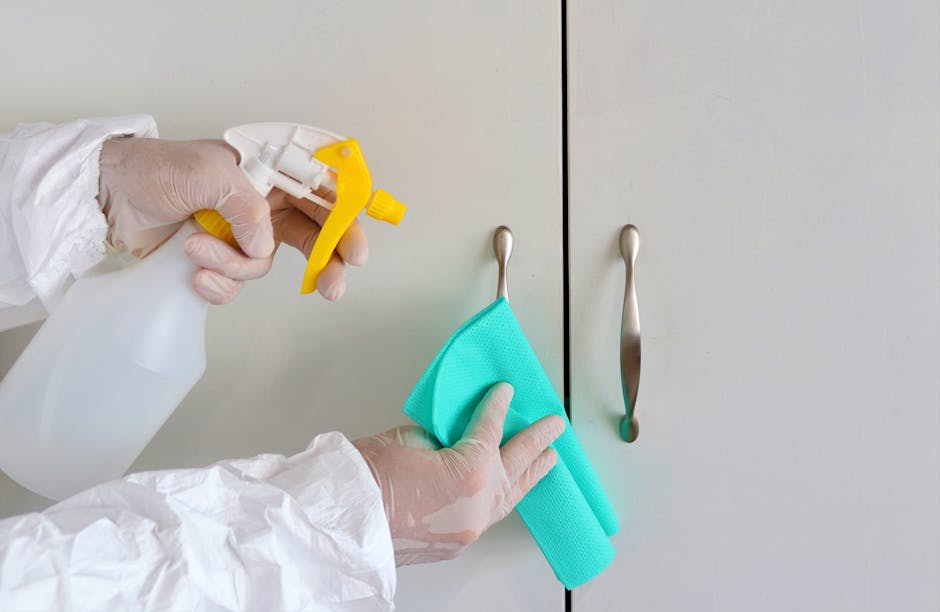
- Tackle the "contact points." Door handles, switches, rails, taps, and appliance fronts collect surprising amounts of grime.
- Deal with surfaces in the right order. High shelves, then counters, then lower units, then floors.
- Work on fabrics and floors separately. Use appropriate methods for carpets, rugs, sofas, curtains, and mattresses.
- Finish with a proper inspection. Look at the room from the doorway and again from a crouched angle. Odd, maybe, but very revealing.
A small tip that saves a lot of annoyance: keep two cloths in rotation, one for cleaning and one for drying or polishing. That simple habit stops streaks and reduces the "why does this still look messy?" problem that crops up at the end.
If you are cleaning a property for a move, it can help to prioritise move-out cleaning style tasks first, especially kitchens and bathrooms. Those tend to be the areas most closely checked.
A room-by-room approach that actually works
- Kitchen: degrease extractor areas, clean cupboard fronts, sanitise handles, clear crumbs from corners, and clean behind small appliances where possible.
- Bathroom: remove limescale, clean grout lines, disinfect touchpoints, polish taps and glass, and check around toilet bases carefully.
- Bedroom: clean under the bed, vacuum mattress seams, dust headboards, and treat curtains or upholstered chairs if needed.
- Living room: vacuum upholstery, wipe remotes and switches, clean skirting and edges, and lift dust from lampshades and shelves.
- Hallway: focus on shoe dirt, door frames, mats, and the lower walls where scuffs collect.
Expert Tips for Better Results
This is the part most generic guides skip, which is a pity, because it is where the real difference shows up.
1. Use dwell time properly. Many cleaning products need a short wait to work on grease or scale. Spray, wait a minute or two, then wipe. Scrubbing too quickly often wastes effort.
2. Do not over-wet fabrics. Sofas, rugs, and curtains can hold moisture longer than you expect. Use a suitable method, and if in doubt, test a small patch first.
3. Clean the edges. Edges of floors, behind taps, under radiator pipes, and around appliance seals trap surprisingly stubborn grime. These are the bits people remember only after the room looks "almost" done.
4. Work with the light. Open blinds and use daylight where possible. You will see smears, dust, and missed patches much more clearly. Evening cleaning under yellow lighting? Not ideal, let's be honest.
5. Use specialist help for specialist jobs. Some tasks are simply better handled by trained cleaners or equipment, especially steam carpet cleaning, mattress cleaning, and sofa cleaning.
6. Build from top to bottom. This classic rule really does save time. If dust lands after you have already cleaned the floor, you will end up redoing work. Nobody enjoys that. Nobody.
7. Don't ignore the smell test. Sometimes a room looks clean but still feels stale. That is often a sign that soft furnishings, bins, drains, or hidden damp areas need attention.
Common Mistakes to Avoid
A lot of deep cleaning disappointment comes from avoidable mistakes rather than lack of effort. Here are the ones worth watching.
- Cleaning in the wrong sequence: If you mop first and dust later, you are just making the floor work harder.
- Using one product for everything: A kitchen degreaser is not the right answer for every surface, and harsh products can damage finishes.
- Skipping prep work: Decluttering first speeds up the rest of the job. Always.
- Ignoring hidden areas: Behind toilets, under radiators, around appliance feet, and under furniture are classic missed spots.
- Too much water on delicate materials: This can lead to staining, shrinkage, or lingering damp smells.
- Forgetting ventilation: Without airflow, cleaning residue and moisture can hang around longer than they should.
- Rushing the final check: A quick once-over is not enough. Look again from another angle.
One of the most common issues in flats near transport hubs is tracked-in dirt from entryways. Hallway mats help, but they need cleaning themselves too. Otherwise they become tiny dirt warehouses. Charming, in a way, but not ideal.
Tools, Resources and Recommendations
You do not need a van full of gadgets to deep clean well. A small, sensible kit usually beats a box of random "miracle" products that never quite live up to the label.
A practical deep cleaning kit
- Microfibre cloths in a few different colours
- Scrub brush with medium bristles
- Vacuum cleaner with attachments
- Bucket or spray bottles
- Non-abrasive sponges
- Appropriate degreaser for kitchens
- Bathroom descaler for taps, shower screens, and tiles
- Floor cleaner suited to the surface
- Lint roller or upholstery tool for fabric refreshes
- Gloves for tougher cleaning tasks
For specialist jobs, it may be more efficient to compare services rather than buy more products. For example, if your carpets, rugs, or soft furnishings are the main issue, a provider offering rug cleaning, pet stain odour removal, or stain removal may save you a lot of time and trial-and-error.
If you are managing a larger property or a shared building, you might also want to think about communal area cleaning so entrances, stairwells, and shared touchpoints do not undermine all your efforts.
Law, Compliance, Standards, or Best Practice
Deep cleaning itself is not a heavily regulated activity in the way some specialist trades are, but best practice still matters, especially when cleaning involves chemicals, electrical items, fragile fittings, or shared spaces. In the UK, sensible providers and homeowners tend to follow common safety norms: read product instructions, keep chemicals out of reach, avoid mixing products, and ensure good ventilation during use. That is basic, but very important.
If you are hiring a professional cleaner, it is reasonable to ask about insurance, safety procedures, and how they handle access, keys, and onsite risks. A reputable service should be able to explain this clearly. You can review general company information through pages such as insurance and safety and health and safety policy if you want to understand the standards being followed.
For commercial settings, there is also a practical duty to avoid creating hazards. Wet floors should be signed or clearly communicated, cords should not create trip risks, and cleaners should know how to work around occupied spaces respectfully. That is not flashy, but it is the kind of detail that prevents problems. In shared properties or rental homes, it is also wise to keep records of any deep clean completed, especially if it forms part of a move-out or handover.
Sustainability can be part of best practice too. Reusable cloths, measured product use, and responsible waste handling all reduce unnecessary waste. If that matters to you, take a look at recycling and sustainability for the wider approach.
Options, Methods, or Comparison Table
Not every deep clean needs the same method. Sometimes a DIY reset is enough. Sometimes it is better to call in specialist help. Here is a simple comparison that can make the choice clearer.
| Approach | Best for | Strengths | Limitations |
|---|---|---|---|
| DIY deep cleaning | Light to moderate build-up, routine resets, small flats | Low cost, flexible timing, full control | Time-consuming, easy to miss hidden areas, limited equipment |
| Professional one-off clean | Move days, post-party reset, overdue properties, time-pressed households | Faster, more thorough, less physical effort | Higher cost than DIY, requires booking |
| Specialist add-ons | Carpets, mattresses, ovens, sofas, curtains, stains | Treats the hardest jobs properly, better finish on problem items | May need to be booked alongside a main clean |
In a Clapham Junction flat, the best choice is often a hybrid one: do the easy reset yourself, then bring in specialists for the jobs that need equipment or extra expertise. That tends to be the most practical route, and usually the least stressful too.
Case Study or Real-World Example
A fairly typical example: a two-bedroom flat near Clapham Junction had been rented by a busy professional couple for several years. Nothing dramatic had gone wrong. It was just the usual mix of life: work, commuting, takeaways, laundry stacked on a chair, and the odd spill that was "meant to be cleaned this weekend." By the time they moved out, the place looked tidy at first glance, but the kitchen edges, bathroom grout, and carpets told a fuller story.
The reset started with decluttering and a full dust-down. Cupboard fronts were degreased, taps descaled, skirting boards wiped, and the hallway mat cleaned properly rather than shaken once and hoped for the best. The carpets needed more attention than expected, especially in the entrance area where grit had collected over time. A specialist carpet treatment helped here, and the flat ended up feeling fresher, brighter, and far less tired.
The main lesson was simple. The room was not "dirty everywhere." It was dirty in layers, and the layers had to be handled differently. That is the bit most people underestimate. Once you see it, though, it becomes obvious.
Another smaller lesson: they had planned to do everything in one evening. Sensible in theory. Slightly optimistic in practice. It worked much better when split over two sessions, with the second pass used for final detail work and drying checks.
Practical Checklist
Use this checklist before, during, or after your deep clean. It keeps the work focused and saves time later.
- Declutter surfaces, floors, and access points first
- Open windows or use ventilation where possible
- Dust high areas before wiping lower surfaces
- Clean switches, handles, and touchpoints
- Degrease kitchen fronts and appliance areas
- Descale bathroom taps, glass, and grout
- Vacuum under furniture and along edges
- Treat carpets, rugs, or upholstery if needed
- Check behind and under appliances if safe to do so
- Dry surfaces thoroughly to avoid streaks or damp smells
- Inspect the room from the doorway and in good daylight
- Dispose of waste and packaging properly
Quick reminder: if a job is getting bigger than expected, that is not failure. It is simply information. Sometimes the right answer is to stop forcing it and get the right help.
Conclusion
Deep cleaning near Clapham Junction is at its best when it is thoughtful, not frantic. Start with a clear plan, focus on the hidden build-up, use the right methods for the right surfaces, and do not waste energy cleaning in circles. That alone will take you a long way.
If your space needs more than a weekend reset, it is usually worth looking at specialist support for the tougher jobs. A well-executed deep clean can make a property feel calmer, healthier, and much easier to live or work in. And honestly, that sense of relief when the room finally feels fresh again? Still underrated.
If you are comparing options, want a more tailored approach, or simply need a bit of guidance on what to prioritise, explore the service information that best matches your situation. A good plan now can save a lot of scrambling later.
Get a free quote today and see how much you can save.
Frequently Asked Questions
What counts as a deep clean near Clapham Junction?
A deep clean goes beyond routine cleaning and targets built-up dirt, grease, limescale, dust, and hidden grime in places that are easy to overlook. That usually means inside and behind furniture, along edges, in kitchens and bathrooms, and on soft furnishings where needed.
How often should I book a deep clean?
There is no fixed rule. Some households do it seasonally, others before or after a move, and some only when the property needs a proper reset. If regular cleaning is solid, you may need deep cleaning less often.
Is deep cleaning worth it for a small flat?
Yes, often more so. Small spaces show build-up quickly, especially when storage is limited and surfaces are used constantly. A proper deep clean can make a compact flat feel much easier to manage.
Can I do deep cleaning myself?
Absolutely, especially if the property is in reasonable condition and you have time. DIY works well for routine maintenance and lighter build-up. For carpets, ovens, upholstery, or tough stains, specialist help can be a better use of your energy.
What areas are usually missed during a deep clean?
Common missed areas include skirting boards, behind toilets, under beds, inside extractor covers, behind appliances, light switches, door handles, and the edges of floors where dust collects quietly.
How long does a deep clean usually take?
That depends on the property size, condition, and whether specialist tasks are included. A lightly used home can take far less time than a property that has built up months of grime. It is safer to plan generously rather than squeeze it into an unrealistic slot.
Do I need specialist cleaning for carpets or sofas?
Often yes, if there are stains, odours, or heavy wear. Carpets and upholstery can look surface-clean while still holding dirt deeper down. Services like carpet cleaning or sofa cleaning are designed for that level of treatment.
What should I prepare before a cleaner arrives?
Remove clutter where you can, clear access to the main rooms, note any fragile items, and mention problem areas in advance. If there are pets, parking issues, or access details, it helps to flag those early too. A little prep goes a long way.
Is deep cleaning different from end of tenancy cleaning?
Yes. End of tenancy cleaning is usually more checklist-driven and focused on handover standards, while deep cleaning can be broader and more flexible. The overlap is big, but the purpose is not always the same.
Are eco-friendly products strong enough for deep cleaning?
Sometimes yes, sometimes no. It depends on the surface and the dirt. Gentle products can work very well for routine grime and maintenance, but stubborn grease or scale may need more targeted treatment. The trick is choosing the right product for the job, not the greenest label in the cupboard.
What if I only need help with one room?
That is very common. Kitchens, bathrooms, ovens, carpets, and hallways are frequent priorities. A focused approach can be more practical than booking a full-property clean if only one area is causing the main problem.
How do I know if a professional cleaner is reliable?
Look for clear service information, straightforward communication, sensible safety practices, and transparent booking or payment details. Pages like about us, insurance and safety, and pricing and quotes can help you judge whether the service feels organised and trustworthy.